

Fallot Mustard Tasting
Introduction

River zone
Rhône, Saône
Number of pax
160
Duration
1 hour 15 minutes
Kind
On board
A Short History of Mustard
Mustard is one of the oldest condiments in the world. Its use dates back more than 3,000 years . The Egyptians and Romans were already familiar with mustard seeds, which they ground and mixed with vinegar or wine to accompany their dishes.
Mustard became popular in Europe during the Middle Ages , largely thanks to the monks who made it in their monasteries. At that time, the city of Dijon in Burgundy specialized in the production of refined mustard. This is how the famous Dijon mustard was born and gained international renown.
The name “mustard” comes from the Latin *mustum ardens* , meaning “burning must ,” because originally the seeds were mixed with grape must. Today, mustard comes in many varieties: mild, strong, wholegrain, flavored, and more. It is found in cuisines all over the world.
Program :
Introduction (10 minutes):
-
Welcoming participants and brief presentation of Maison Fallot.
-
Context: Independent Burgundy-based company specializing in the manufacture of mustards since 1840.
-
Presentation of the values of Maison Fallot: tradition, artisanal know-how, preservation of the environment.
History and Manufacturing Process (15 minutes):
-
Presentation of the heritage of Maison Fallot and its founder Edmond Fallot.
-
Explanation of the traditional manufacturing process: grinding the seeds with a stone mill to preserve the taste qualities.
-
Emphasis on commitment to quality and the environment: waste sorting, effluent treatment.
Mustard Varieties (20 minutes):
-
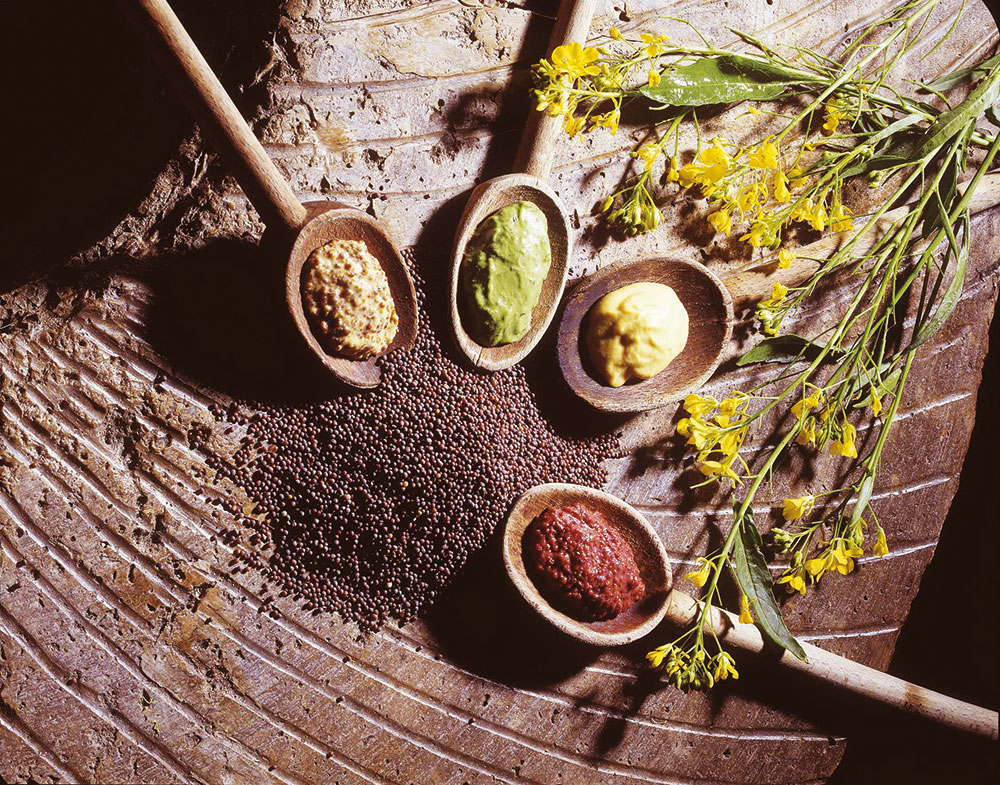
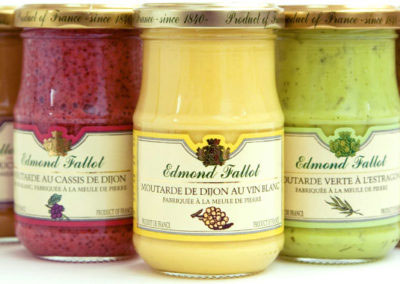
Presentation of the different varieties of mustards produced by Maison Fallot.
-
For each variety, an explanation of the ingredients, flavors, and recommended uses is provided.
-
Highlighting the diversity of tastes and experiences that each mustard can offer.
Tasting Preparation (10 minutes):
-
Distribution of trays with small portions of fresh bread.
-
Explanation of the importance of bread in mustard tasting to balance flavors and textures.
Guided Tasting (30 minutes):
-
Small portions of various mustard varieties were distributed to the participants.
-
Guiding participants through a multi-stage tasting experience:
– Observe: Examine the color, texture, and shades of each mustard.
– Smell: Inhalation of aromas and identification of dominant notes.
– Tasting: Spread a small amount of mustard on the bread and let the flavors develop in your mouth.
– Appreciation: Discussion of sensations, differences between varieties and favorite combinations with bread.
Discussion and Questions (10 minutes):
-
Opening the discussion to gather the impressions and personal discoveries of the participants.
-
Answers to questions about Maison Fallot, the manufacturing process and the products.
Gift Presentation (5 minutes):
-
Announcement that participants will receive a special gift as a thank you.
-
Gifts will be distributed to the participants.
Conclusion (5 minutes):
-
Expression of gratitude for the commitment and interest of the participants.
-
Emphasis on the importance of the interaction between mustards and bread for a complete gastronomic experience.
-
Highlighting the experience offered by Maison Fallot through its visits and boutique workshops.
-
Participants are invited to visit Fallot stores to explore more products.